Brush Pen 101: A Guide to Choosing and Using

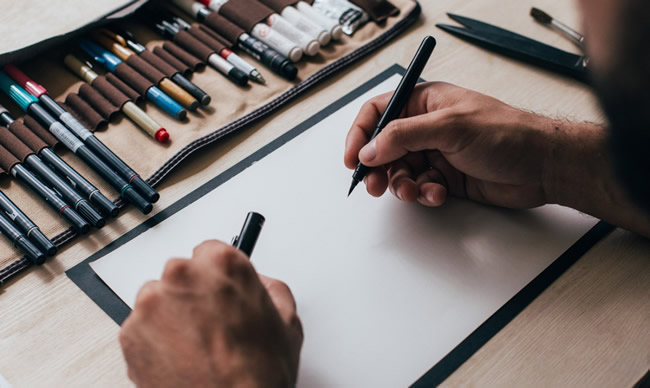
When I'm out and about in the world — especially when I'm traveling — I've learned to pare down my sketching tools to the simplest array possible: two brush pens, a water brush and a sketchbook. Sometimes I'll bring along a small kit of watercolors , but usually I leave color for later. What I'm really interested in is the spur-of-the-moment opportunity to capture what what's caught my eye, without any muss or fuss. And for that, I rely heavily on my brush pens.
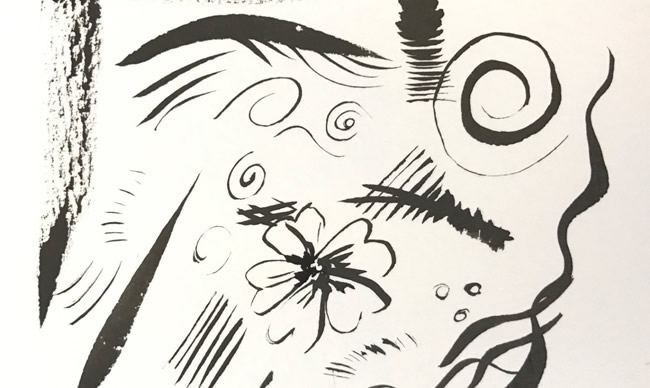
Brush pens are the closest things to painting with watercolor without a brush and a set of paints. Plus, they give you the widest array of line widths for really expressive sketching. Check out the different kinds of marks I can make with just one great brush pen:
Before you rush out to buy a brush pen, here are some things to look for (remember: all brush pens are NOT created equal).
This one's really important. Let's say you're out on a hike and come upon a beautiful pond. You post up on a nearby rock and spend some time sketching the scene with your brush pen, then decide you'd like to turn it into a watercolor painting when you get home. Your sketch turns out great, and a couple of days later you pull out the watercolors to start adding color... and the whole thing falls apart as your sketch dissolves before your eyes. Guess what? If you had chosen a brush pen with waterproof ink, you wouldn't have this problem.
As the example above illustrates, waterproof ink is key whenever there's a chance you'll be using watercolors on your drawing and you want your lines to stay crisp and permanent.
I choose water-soluble ink when it's my main or only medium. It's great because it enables me to soften my lines after the fact if I choose, and add subtle, watercolor-like shading in my painting.
Take a look at the drawings below:
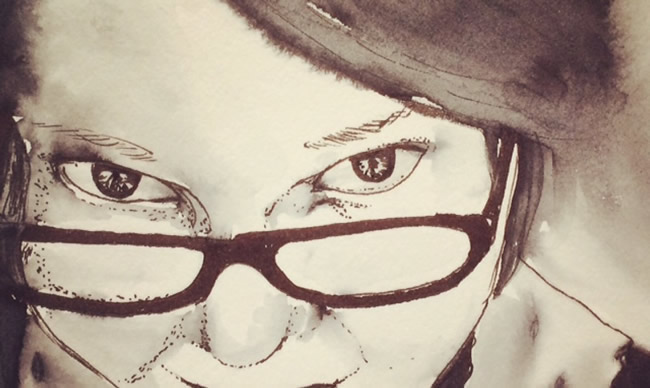
For this self-portrait sketch, I used both water-soluble and waterproof pens. I chose to use both types so some of my lines would stay crisp and others would blend into soft shading with my water brush.
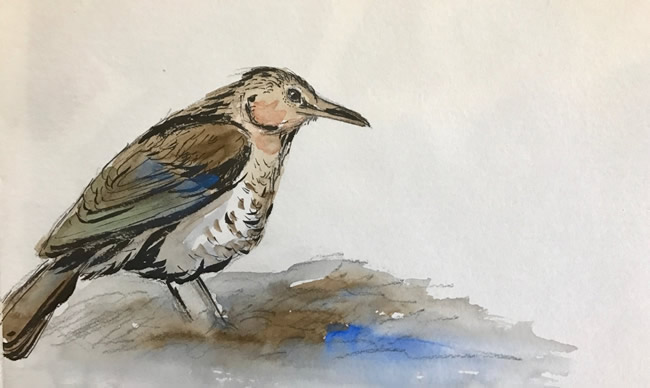
In the sketch above, I used a waterproof brush pen — I wanted to use watercolor as a second step, and have lines that stayed crisp and didn't blend with the color.
I also used waterproof ink in the sketch above because I wanted my lines to remain sharp and stay put when I added watercolor.
I've experimented with almost every brush pen on the market and I've narrowed it down to my top picks — three beautiful pens that will always perform well for you.
Nothing beats the Pentel Pocket Brush Pen . These workhorses are available at almost all art supply stores and are even more widely available online. If you're only going to purchase one brush, get this one. Trust me.
It is truly waterproof (some brands say they are, but my findings say otherwise), and has a beautiful quality of line. And, if you want to use it in the way you would use a water-soluble pen, you can (as long as you act fast while the ink is still wet)!
Three words: Kuretake brush pens . There are two different styles I recommend, so choose one based on your budget:
Both of these pens use the same ink cartridges, and both can be used with an ink-converter cartridge as long as you stick to water-soluble ink. I only use the Kuretake refill cartridges because I love the shades of gray I achieve with them.
One thing to remember is that using a brush pen is all based on pressure. Fine lines require a delicate touch; thicker lines require more pressure. Take your brush pen on a test drive and fill a sketchbook page with lots of marking, changing the pressure for fine and thick lines.
If you're a novice ink artist, try writing your name with the brush pen, over and over again until it feels natural. It takes a little getting used to and some practice, but once you have the feel of it, you'll be amazed by the freedom of expression a brush pen delivers .
