How to Nail Those Shades of Green in Watercolor

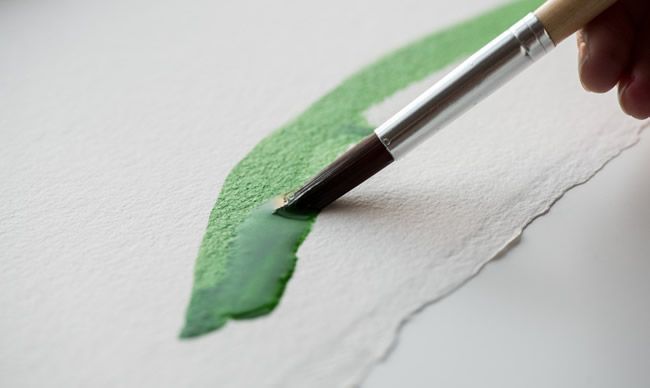
Green is definitely Mother Nature’s favorite color. Every tree, bush, and flower stem comes in its own unique shade ... all of which perfectly coexist. Now try to recreate all of that in a watercolor painting, and you might be the one turning green!
Whether you’re working on a landscape, floral, or animal piece, here are three ways to score great results with this all-important hue.
Pre-made green paint gets a bad rap for being bright and overpowering. But these colors can actually work straight from the tube if you want to paint a tropical plant, bird, butterfly or anything else that has a more intense green color. Consider these swatches to get the ideas flowing:
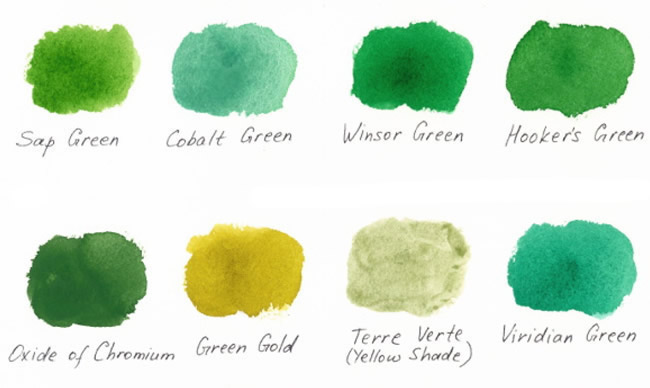
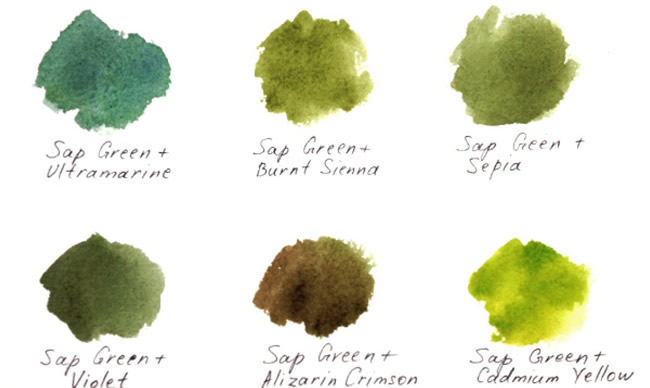
Most of the time, however, you'll want to use the tube green as a base and mix in other colors. You'll be surprised what a big different this technique makes! Sap Green, for example, looks natural and gorgeous when combined with other hues. Check it out:
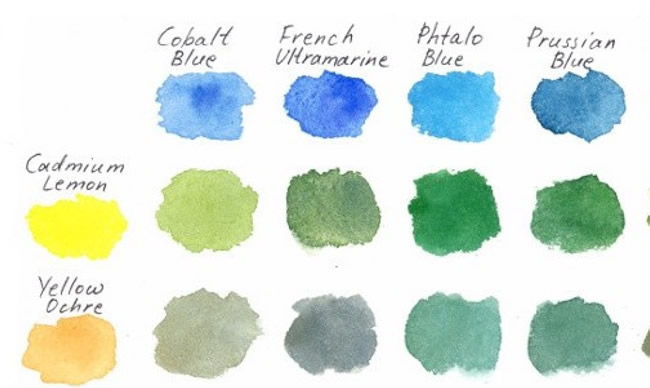
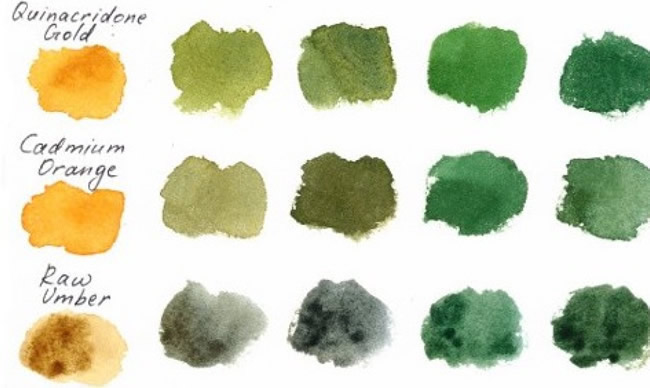
You probably remember this formula from elementary school art class: Mix yellow and blue to make green. Easy peasy! True, it's a touch more complicated if you want to make a selection of natural shades. The keys are to play around with different shades of yellow and blue (try anything from Cadmium Lemon to Burnt Umber for yellow, for example), and different ratios of each pigment. It's really helpful to reference a standard color chart when you're making greens, and even to create your own chart once you develop some shades you love.
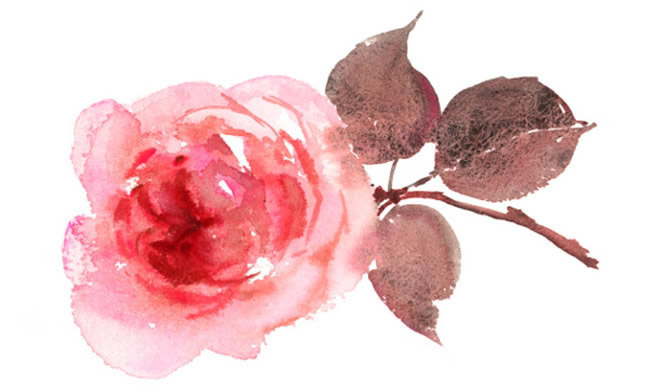
Here's your secret weapon for when none of your greens are panning out: Just use a different color altogether. There's no rule saying that what's green in nature has to be green in your painting, and using a monochromatic color scheme or choosing a shade that better pairs with other aspects of your piece may even make it better.
