Plein Air Painting Checklists

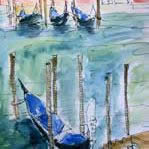
How much you take when you paint plein air depends on whether you're going to drive to a location in your car and work close to it, in which case you can take a lot, or whether you're going to walk to a location, in which case you need to be more selective in what you take. If you're going to walk any distance, consider a putting your art supplies into a backpack. Avoid overloading yourself. Start small and simple.
Plein Air Painting Checklists: • Acrylics • Oils • Watercolours • Pastels
Checklist for Non-Painting Plein Air Essentials:
• It's easy to get caught up in what you're doing and end up sitting in the sun for an extended period, sometimes over the hottest part of the day, so remember to take some sunscreen and a sunhat.
• Dress in layers that you can easily take off as you get hot (and put on when it gets colder).
• If it's cold, take a windproof jacket as you may not be moving around much.
• A pair of fingerless gloves helps keep your fingers warm while still giving good motion and grip.
• Something to sit on, such as a small cushion or an extra jumper. Consider taking a fold-up stool or chair if you know there's not going to be a convenient rock or wall to sit on and you don't want to sit on the ground.
• Some water to drink (don't rinse your brushes in it!) or a flask with coffee or tea (hot chocolate!) if it's cold.
• Wear neutral colored clothing (creams, beiges) rather than white which can reflect too much light onto your painting or bright colors which can reflect some of their color onto your painting.
• Insect repellent.
• A bag to put rubbish in, such as dirty pieces of paper towel.
• A large plastic bag can be useful as an emergency rainshield.
• A torch if you're going to be painting through sunset.
• A camera is useful for recording the scene in case you want to finish or work on the painting back in your studio.
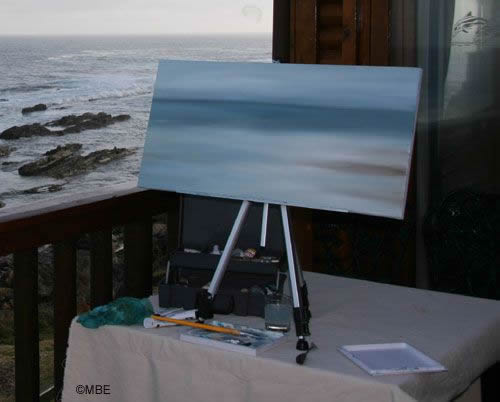
Acrylics Plein Air Painting Checklist:
A selection of acrylic paints
At least one brush
Bottle of water
Cup for washing brushes
Paper towel or cloth for wiping brushes on
Palette
Paper, boards, or canvas
If necessary, an empty bottle for pouring dirty paint water into, for disposable back home.
Tips: Consider using pieces of primed canvas which you tape to a board (foamboard weighs the least), then roll up when the painting is dry. Back home you can stretch them onto stretcher bars or glue them down onto a board.
A disposable paper palette makes cleaning up easy.
A moisture-retaining palette with a solid lid makes it easy to transport your paints.
Plein Air Painting Checklists: • Painting Plein Air Essentials • Oils • Watercolours • Pastels
Oils Plein Air Painting Checklist:
A selection of oil paints
At least one brush
Mediums
Paper towel or cloth for wiping brushes on
Palette
Paper, boards, or canvas
A container for for pouring mediums into, for disposable back home.
Tips: A disposable paper palette makes cleaning up easy.
Plein Air Painting Checklists: • Painting Plein Air Essentials • Acrylics • Watercolours • Pastels
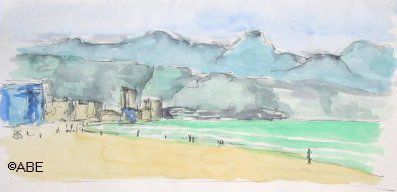
Watercolour Plein Air Painting Checklist:
Watercolour paintbox or selection of tubes
At least one brush
Pencil and eraser
Four (rustproof) clips or pegs for keeping your paper in place when it's windy
Paper towel or cloth for wiping brushes on
Bottle of water
Cup for washing brushes
Watercolour paper
If necessary, an empty bottle for pouring dirty paint water into, for disposable back home.
Tips: A largish zippered pencil box or toiletry bag is ideal for putting your brushes etc. in.
Retractable brushes take up minimal space.
One of those blocks of watercolour paper where the paper is 'stuck down' is ideal because you don't need to stretch it, but you will need something sharp to separate off a sheet once you're done.
Consider buying a watercolour field set a small box of paints complete with retractable brush; some even have waterbottles.
Plein Air Painting Checklists: • Essentials • Acrylics • Oils • Pastels
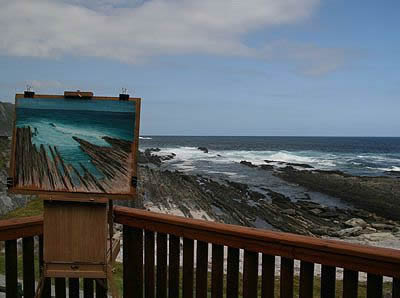
Pastel Plein Air Painting Checklist:
A selection of pastels
Paper
Clips to hold down the paper in the wind
Fixative
A box of wipes to clean your fingers (or latex gloves if you use them)
Stomps, tortillons, etc as required by your personal style
Putty eraser
Tips: If you're going to be making several paintings, a large pad of pastel paper with interleaved sheets to protect your work is useful.
Half pastels take up more space than full-length ones (and weigh less!).
Plein Air Painting Checklists: • Painting Plein Air Essentials • Acrylics • Oils • Watercolours
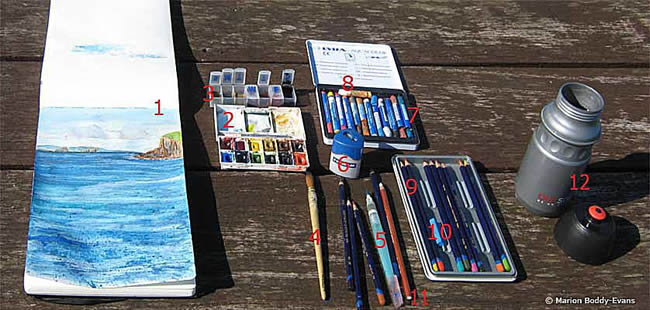
Most of the time when I paint on location I use watercolors because they're simple to transport and easy to use without creating a mess. Along with watersoluble pencils, graphite pencil, and a pen with waterproof black ink, I've got the materials for a wide range of colors and mark-making. All my supplies, except the sketchbook and waterbottle, get be squeezed into a small, zipped bag with a waterproof lining (a toiletries bag).
This photo shows my kit set out on a picnic table on a day I was sketching at the seaside. Things are neatly lined up only for the photo!
Note shown in the photo: propelling pencil with 2B, pen with waterproof blank ink. I also usually have a small packet of paper tissues, for dabbing the brush onto as I'm working, and wet handwipes for a final clean of my hands before heading home. And another bottle with water to drink, sometimes coffee.
