The Art of Italy in the Royal Collection - The Baroque

01
of 12
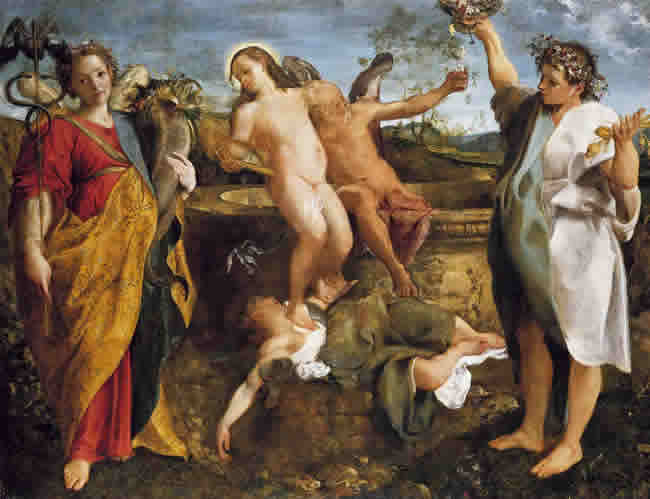
On View November 13, 2008-March 8, 2009, Palace of Holyroodhouse
The Art of Italy in the Royal Collection comes to The Queen's Gallery, Palace of Holyroodhouse in two parts in 2008 and 2009. Part two, seen here, centers on the Baroque. The 74 paintings and drawings selected for the exhibition amply illustrate the great stylistic diversity of this long artistic era. Highlights include works by Caravaggio, Bernini, Domenico Fetti, and the painters Gentileschi.
The Stuart king Charles I (1600-1649) was first responsible for bringing 16th- and 17th-century Italian art to the Royal Collection. Most of his acquisitions were sold on Cromwell's order during the Interregnum. After the Restoration of the Monarchy in 1660, Charles II (1630-1685) was particularly keen to track down and regain his father's Italian pieces. From then on, other royal patrons (notably Frederick, Prince of Wales; George III; George IV; Queen Victoria and Prince Albert; and Queen Mary, consort of George V) have augmented this key component of the Royal Collection.
About the Show:
The Art of Italy in the Royal Collection comes to Edinburgh in two parts in 2008 and 2009. Part two, seen here, centers on the Baroque. The 74 paintings and drawings selected for the exhibition amply illustrate the great stylistic diversity of this long artistic era. Highlights include works by Caravaggio, Bernini, Domenico Fetti, and the painters Orazio and Artemisia Gentileschi.
The Stuart king Charles I (1600-1649) was first responsible for bringing 16th- and 17th-century Italian art to the Royal Collection. Most of his acquisitions were sold on Cromwell's order during the Interregnum. After the Restoration of the Monarchy in 1660, Charles II (1630-1685) was particularly keen to track down and regain his father's Italian pieces. From then on, other royal patrons (notably Frederick, Prince of Wales; George III; George IV; Queen Victoria and Prince Albert; and Queen Mary, consort of George V) have augmented this key component of the Royal Collection.
Scheduled Venue:
The Queen's Gallery, Palace of Holyroodhouse: November 13, 2008-March 8, 2009
02
of 12
About the Show:
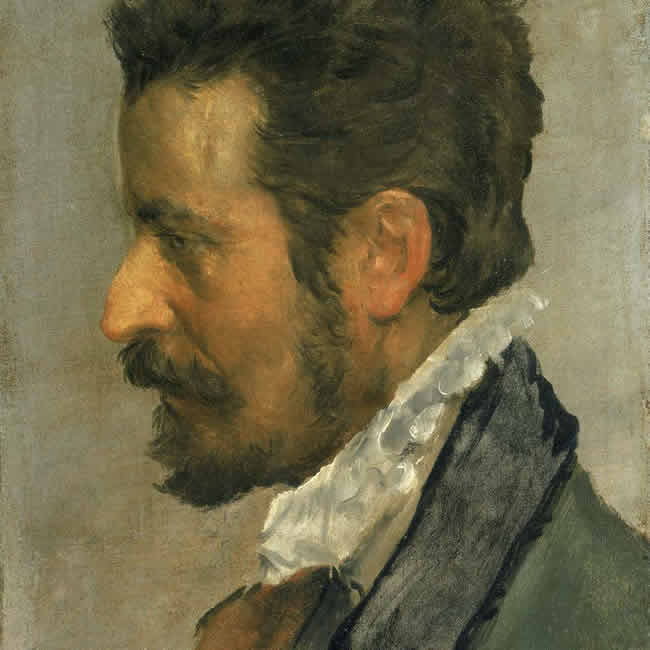
The Art of Italy in the Royal Collection comes to Edinburgh in two parts in 2008 and 2009. Part two, seen here, centers on the Baroque. The 74 paintings and drawings selected for the exhibition amply illustrate the great stylistic diversity of this long artistic era. Highlights include works by Caravaggio, Bernini, Domenico Fetti, and the painters Orazio and Artemisia Gentileschi.
The Stuart king Charles I (1600-1649) was first responsible for bringing 16th- and 17th-century Italian art to the Royal Collection. Most of his acquisitions were sold on Cromwell's order during the Interregnum. After the Restoration of the Monarchy in 1660, Charles II (1630-1685) was particularly keen to track down and regain his father's Italian pieces. From then on, other royal patrons (notably Frederick, Prince of Wales; George III; George IV; Queen Victoria and Prince Albert; and Queen Mary, consort of George V) have augmented this key component of the Royal Collection.
Scheduled Venue:
The Queen's Gallery, Palace of Holyroodhouse: November 13, 2008-March 8, 2009
03
of 12
About the Show:
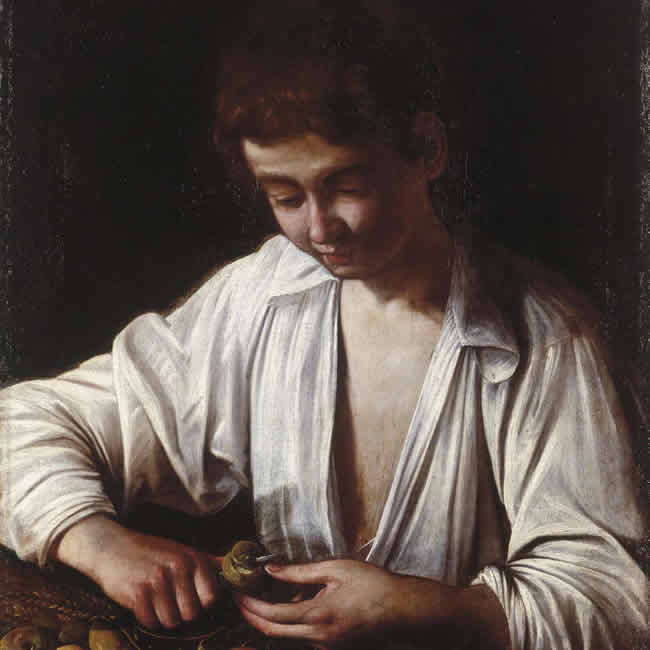
The Art of Italy in the Royal Collection comes to Edinburgh in two parts in 2008 and 2009. Part two, seen here, centers on the Baroque. The 74 paintings and drawings selected for the exhibition amply illustrate the great stylistic diversity of this long artistic era. Highlights include works by Caravaggio, Bernini, Domenico Fetti, and the painters Orazio and Artemisia Gentileschi.
The Stuart king Charles I (1600-1649) was first responsible for bringing 16th- and 17th-century Italian art to the Royal Collection. Most of his acquisitions were sold on Cromwell's order during the Interregnum. After the Restoration of the Monarchy in 1660, Charles II (1630-1685) was particularly keen to track down and regain his father's Italian pieces. From then on, other royal patrons (notably Frederick, Prince of Wales; George III; George IV; Queen Victoria and Prince Albert; and Queen Mary, consort of George V) have augmented this key component of the Royal Collection.
Scheduled Venue:
The Queen's Gallery, Palace of Holyroodhouse: November 13, 2008-March 8, 2009
04
of 12
About the Show:
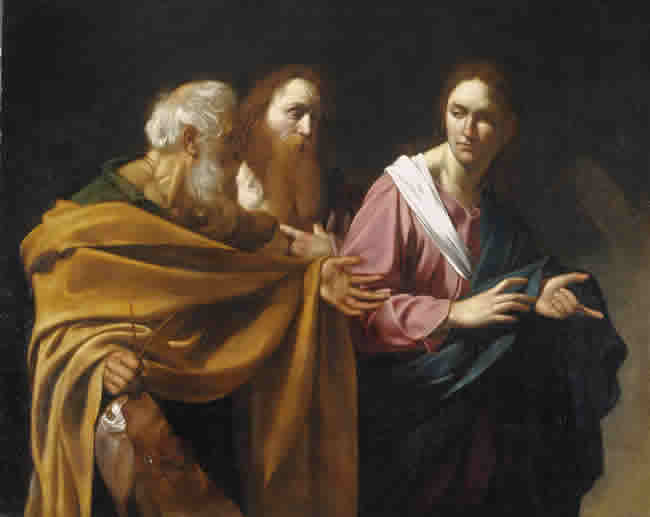
The Art of Italy in the Royal Collection comes to Edinburgh in two parts in 2008 and 2009. Part two, seen here, centers on the Baroque. The 74 paintings and drawings selected for the exhibition amply illustrate the great stylistic diversity of this long artistic era. Highlights include works by Caravaggio, Bernini, Domenico Fetti, and the painters Orazio and Artemisia Gentileschi.
The Stuart king Charles I (1600-1649) was first responsible for bringing 16th- and 17th-century Italian art to the Royal Collection. Most of his acquisitions were sold on Cromwell's order during the Interregnum. After the Restoration of the Monarchy in 1660, Charles II (1630-1685) was particularly keen to track down and regain his father's Italian pieces. From then on, other royal patrons (notably Frederick, Prince of Wales; George III; George IV; Queen Victoria and Prince Albert; and Queen Mary, consort of George V) have augmented this key component of the Royal Collection.
Scheduled Venue:
The Queen's Gallery, Palace of Holyroodhouse: November 13, 2008-March 8, 2009
05
of 12
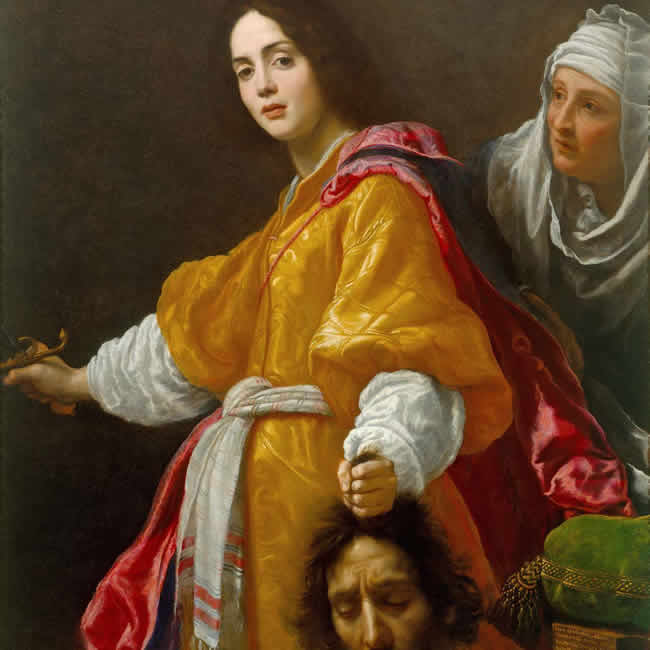
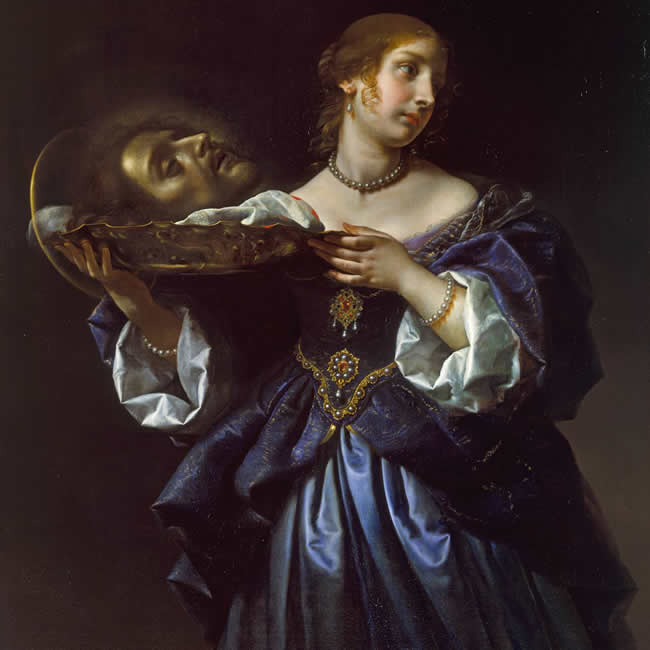
What you may not know about this particular painting is that it's not merely a gorgeous Baroque rendition of a scene from the apocryphal Book of Judith, wherein the plucky widow seduced the invading Babylonian general, Holofernes, over the course of three evenings only to relieve him of his drunken head at the end.
No, the bodiless head we see here is actually Cristofano Allori's self portrait. "Judith" is Allori's very-much-ex-mistress, Maria de Giovanni Mazzafirri (presumably painted from memory, as she had recently, painfully and permanently deserted the artist). And Judith's "maidservant" is supposed to be Mazzafirri's mother, the woman who would not become Allori's mother-in-law. Given the story-context in which he placed the three of them, we are left to assume that he took the end of this love affair badly, but was perhaps already realizing that he'd narrowly dodged a worse fate.
About the Show:
The Art of Italy in the Royal Collection comes to Edinburgh in two parts in 2008 and 2009. Part two, seen here, centers on the Baroque. The 74 paintings and drawings selected for the exhibition amply illustrate the great stylistic diversity of this long artistic era. Highlights include works by Caravaggio, Bernini, Domenico Fetti, and the painters Orazio and Artemisia Gentileschi.
The Stuart king Charles I (1600-1649) was first responsible for bringing 16th- and 17th-century Italian art to the Royal Collection. Most of his acquisitions were sold on Cromwell's order during the Interregnum. After the Restoration of the Monarchy in 1660, Charles II (1630-1685) was particularly keen to track down and regain his father's Italian pieces. From then on, other royal patrons (notably Frederick, Prince of Wales; George III; George IV; Queen Victoria and Prince Albert; and Queen Mary, consort of George V) have augmented this key component of the Royal Collection.
Scheduled Venue:
The Queen's Gallery, Palace of Holyroodhouse: November 13, 2008-March 8, 2009
06
of 12
About the Show:
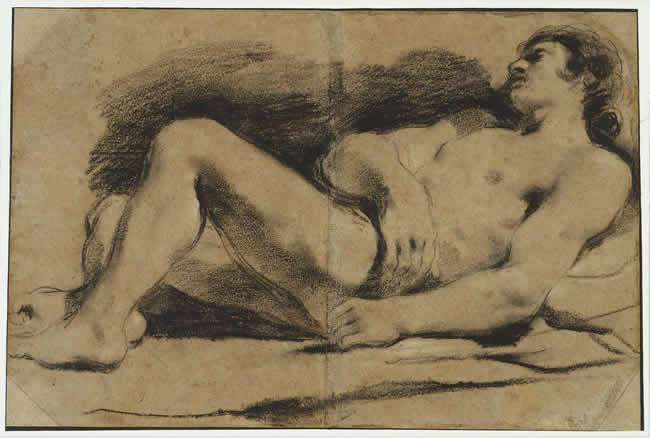
The Art of Italy in the Royal Collection comes to Edinburgh in two parts in 2008 and 2009. Part two, seen here, centers on the Baroque. The 74 paintings and drawings selected for the exhibition amply illustrate the great stylistic diversity of this long artistic era. Highlights include works by Caravaggio, Bernini, Domenico Fetti, and the painters Orazio and Artemisia Gentileschi.
The Stuart king Charles I (1600-1649) was first responsible for bringing 16th- and 17th-century Italian art to the Royal Collection. Most of his acquisitions were sold on Cromwell's order during the Interregnum. After the Restoration of the Monarchy in 1660, Charles II (1630-1685) was particularly keen to track down and regain his father's Italian pieces. From then on, other royal patrons (notably Frederick, Prince of Wales; George III; George IV; Queen Victoria and Prince Albert; and Queen Mary, consort of George V) have augmented this key component of the Royal Collection.
Scheduled Venue:
The Queen's Gallery, Palace of Holyroodhouse: November 13, 2008-March 8, 2009
07
of 12
About the Show:
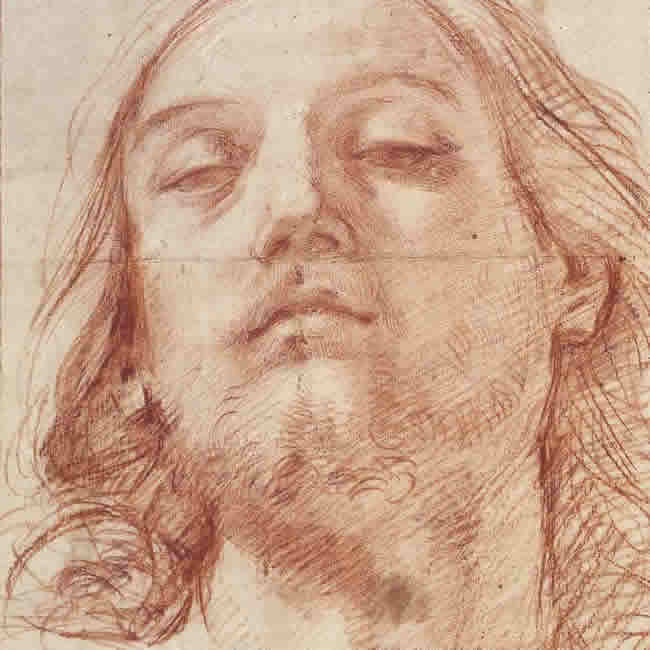
The Art of Italy in the Royal Collection comes to Edinburgh in two parts in 2008 and 2009. Part two, seen here, centers on the Baroque. The 74 paintings and drawings selected for the exhibition amply illustrate the great stylistic diversity of this long artistic era. Highlights include works by Caravaggio, Bernini, Domenico Fetti, and the painters Orazio and Artemisia Gentileschi.
The Stuart king Charles I (1600-1649) was first responsible for bringing 16th- and 17th-century Italian art to the Royal Collection. Most of his acquisitions were sold on Cromwell's order during the Interregnum. After the Restoration of the Monarchy in 1660, Charles II (1630-1685) was particularly keen to track down and regain his father's Italian pieces. From then on, other royal patrons (notably Frederick, Prince of Wales; George III; George IV; Queen Victoria and Prince Albert; and Queen Mary, consort of George V) have augmented this key component of the Royal Collection.
Scheduled Venue:
The Queen's Gallery, Palace of Holyroodhouse: November 13, 2008-March 8, 2009
08
of 12
About the Show:
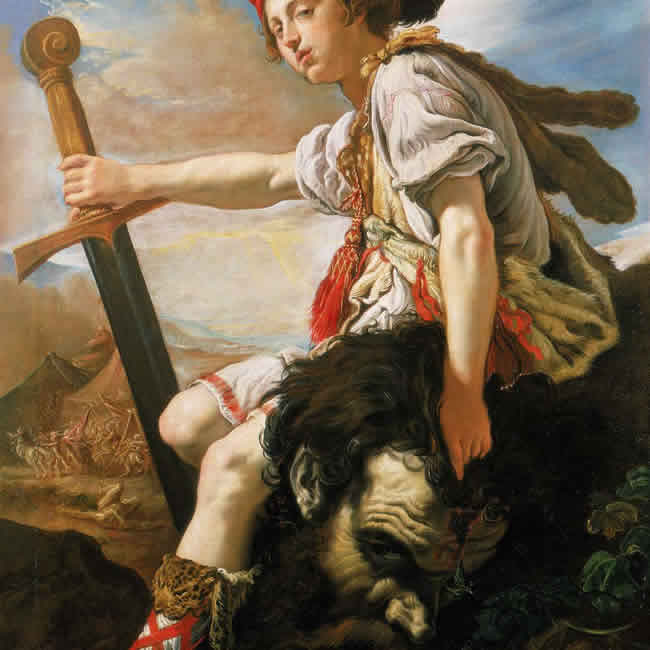
The Art of Italy in the Royal Collection comes to Edinburgh in two parts in 2008 and 2009. Part two, seen here, centers on the Baroque. The 74 paintings and drawings selected for the exhibition amply illustrate the great stylistic diversity of this long artistic era. Highlights include works by Caravaggio, Bernini, Domenico Fetti, and the painters Orazio and Artemisia Gentileschi.
The Stuart king Charles I (1600-1649) was first responsible for bringing 16th- and 17th-century Italian art to the Royal Collection. Most of his acquisitions were sold on Cromwell's order during the Interregnum. After the Restoration of the Monarchy in 1660, Charles II (1630-1685) was particularly keen to track down and regain his father's Italian pieces. From then on, other royal patrons (notably Frederick, Prince of Wales; George III; George IV; Queen Victoria and Prince Albert; and Queen Mary, consort of George V) have augmented this key component of the Royal Collection.
Scheduled Venue:
The Queen's Gallery, Palace of Holyroodhouse: November 13, 2008-March 8, 2009
09
of 12
About the Show:
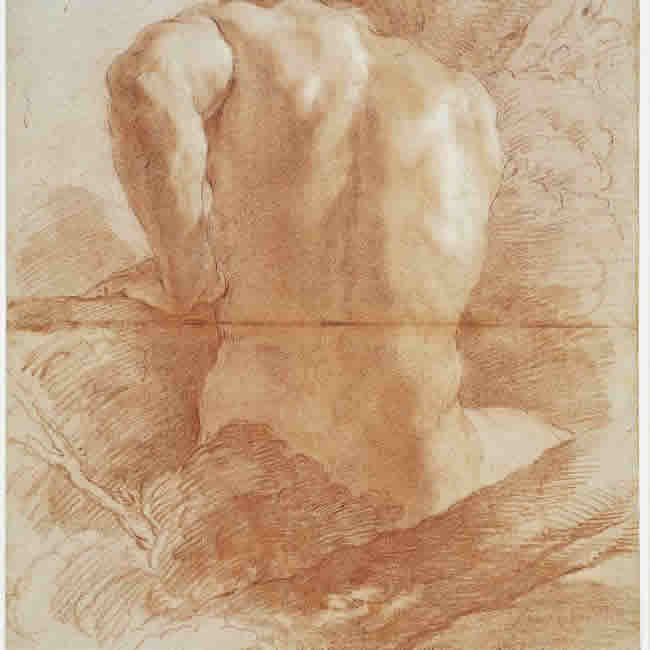
The Art of Italy in the Royal Collection comes to Edinburgh in two parts in 2008 and 2009. Part two, seen here, centers on the Baroque. The 74 paintings and drawings selected for the exhibition amply illustrate the great stylistic diversity of this long artistic era. Highlights include works by Caravaggio, Bernini, Domenico Fetti, and the painters Orazio and Artemisia Gentileschi.
The Stuart king Charles I (1600-1649) was first responsible for bringing 16th- and 17th-century Italian art to the Royal Collection. Most of his acquisitions were sold on Cromwell's order during the Interregnum. After the Restoration of the Monarchy in 1660, Charles II (1630-1685) was particularly keen to track down and regain his father's Italian pieces. From then on, other royal patrons (notably Frederick, Prince of Wales; George III; George IV; Queen Victoria and Prince Albert; and Queen Mary, consort of George V) have augmented this key component of the Royal Collection.
Scheduled Venue:
The Queen's Gallery, Palace of Holyroodhouse: November 13, 2008-March 8, 2009
10
of 12
About the Show:
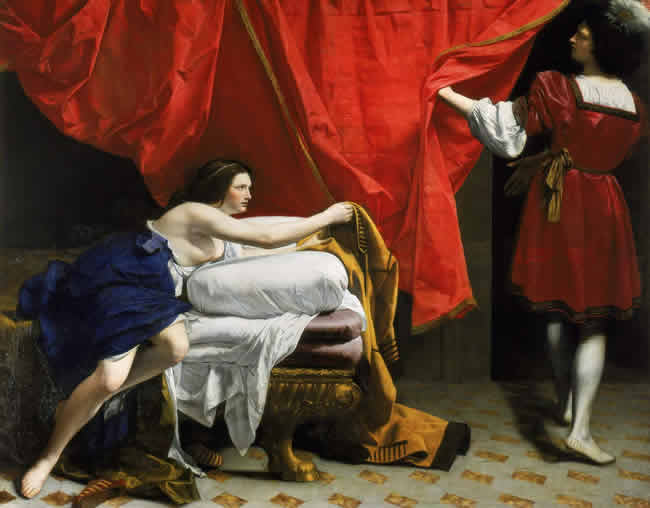
The Art of Italy in the Royal Collection comes to Edinburgh in two parts in 2008 and 2009. Part two, seen here, centers on the Baroque. The 74 paintings and drawings selected for the exhibition amply illustrate the great stylistic diversity of this long artistic era. Highlights include works by Caravaggio, Bernini, Domenico Fetti, and the painters Orazio and Artemisia Gentileschi.
The Stuart king Charles I (1600-1649) was first responsible for bringing 16th- and 17th-century Italian art to the Royal Collection. Most of his acquisitions were sold on Cromwell's order during the Interregnum. After the Restoration of the Monarchy in 1660, Charles II (1630-1685) was particularly keen to track down and regain his father's Italian pieces. From then on, other royal patrons (notably Frederick, Prince of Wales; George III; George IV; Queen Victoria and Prince Albert; and Queen Mary, consort of George V) have augmented this key component of the Royal Collection.
Scheduled Venue:
The Queen's Gallery, Palace of Holyroodhouse: November 13, 2008-March 8, 2009
11
of 12
About the Show:
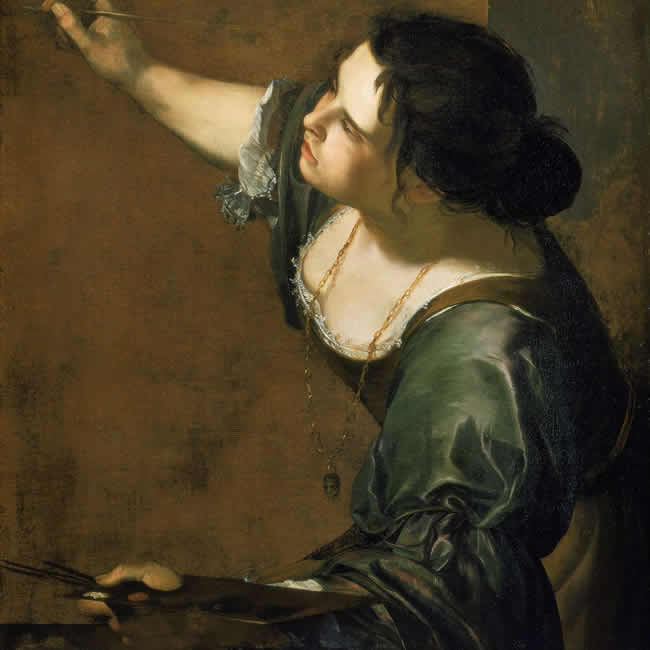
The Art of Italy in the Royal Collection comes to Edinburgh in two parts in 2008 and 2009. Part two, seen here, centers on the Baroque. The 74 paintings and drawings selected for the exhibition amply illustrate the great stylistic diversity of this long artistic era. Highlights include works by Caravaggio, Bernini, Domenico Fetti, and the painters Orazio and Artemisia Gentileschi.
The Stuart king Charles I (1600-1649) was first responsible for bringing 16th- and 17th-century Italian art to the Royal Collection. Most of his acquisitions were sold on Cromwell's order during the Interregnum. After the Restoration of the Monarchy in 1660, Charles II (1630-1685) was particularly keen to track down and regain his father's Italian pieces. From then on, other royal patrons (notably Frederick, Prince of Wales; George III; George IV; Queen Victoria and Prince Albert; and Queen Mary, consort of George V) have augmented this key component of the Royal Collection.
Scheduled Venue:
The Queen's Gallery, Palace of Holyroodhouse: November 13, 2008-March 8, 2009
12
of 12
About the Show:
The Art of Italy in the Royal Collection comes to Edinburgh in two parts in 2008 and 2009. Part two, seen here, centers on the Baroque. The 74 paintings and drawings selected for the exhibition amply illustrate the great stylistic diversity of this long artistic era. Highlights include works by Caravaggio, Bernini, Domenico Fetti, and the painters Orazio and Artemisia Gentileschi.
The Stuart king Charles I (1600-1649) was first responsible for bringing 16th- and 17th-century Italian art to the Royal Collection. Most of his acquisitions were sold on Cromwell's order during the Interregnum. After the Restoration of the Monarchy in 1660, Charles II (1630-1685) was particularly keen to track down and regain his father's Italian pieces. From then on, other royal patrons (notably Frederick, Prince of Wales; George III; George IV; Queen Victoria and Prince Albert; and Queen Mary, consort of George V) have augmented this key component of the Royal Collection.
Scheduled Venue:
The Queen's Gallery, Palace of Holyroodhouse: November 13, 2008-March 8, 2009
